TRANSITION FROM CRITICAL BIOTECH TO CELEBRATING AG BIODIVERSITY (2010-2026)
Over the last decade our artistic research has transitioned from a focus on critical biotechnology to a celebration of Agricultural Biodiversity. During the development of projects like Food Forest Taste Test (FFTT) and Biodiversity in Transition Zones (BITZ, EAT.BITZ, Eyes on the Field) we have looked closely at place & taste, evolving foodways, and the relationship between tradition and innovation in agroecological transformations.
GARDENS AND THE ART OF NOTICING (2024-2026)
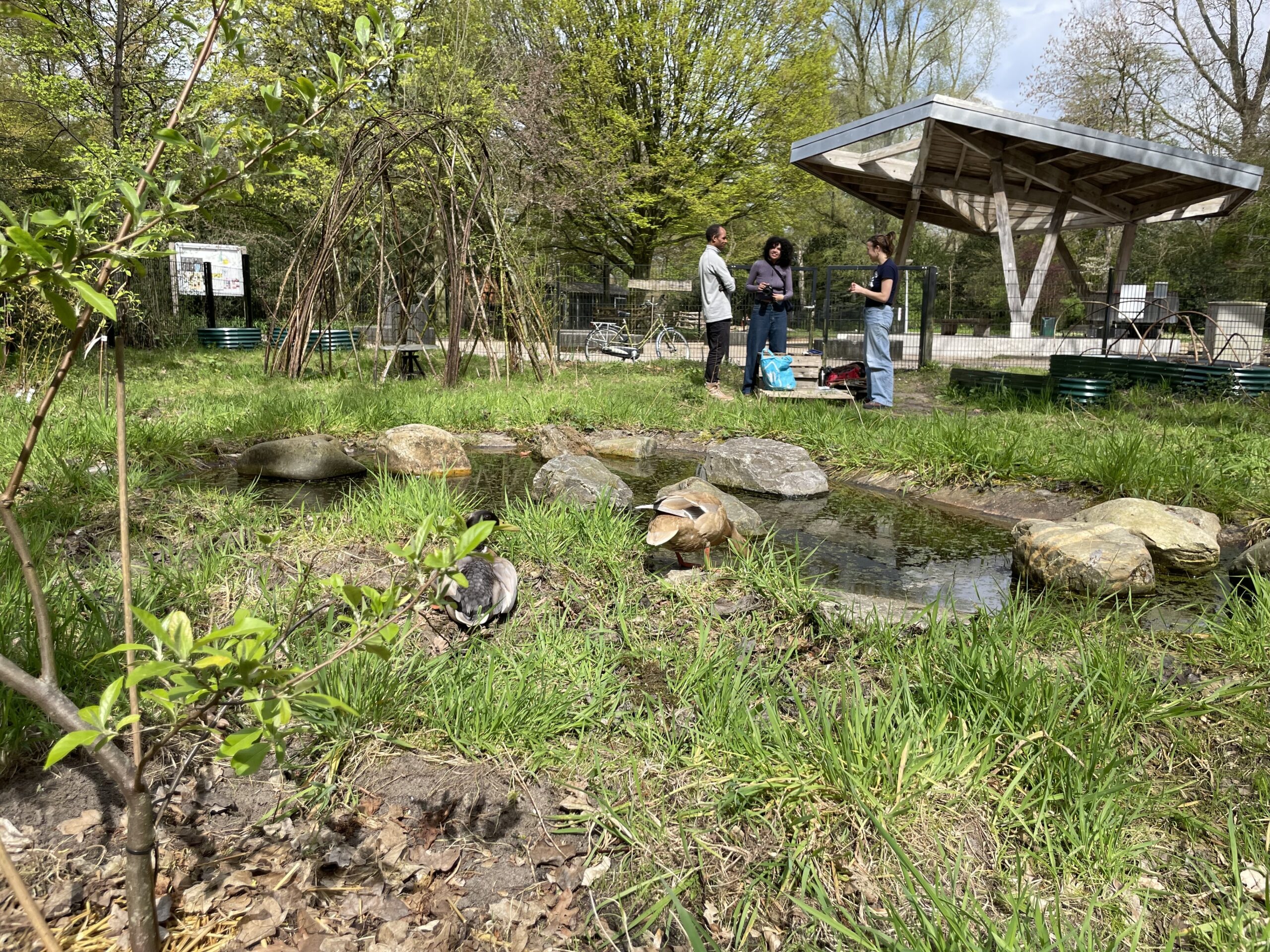
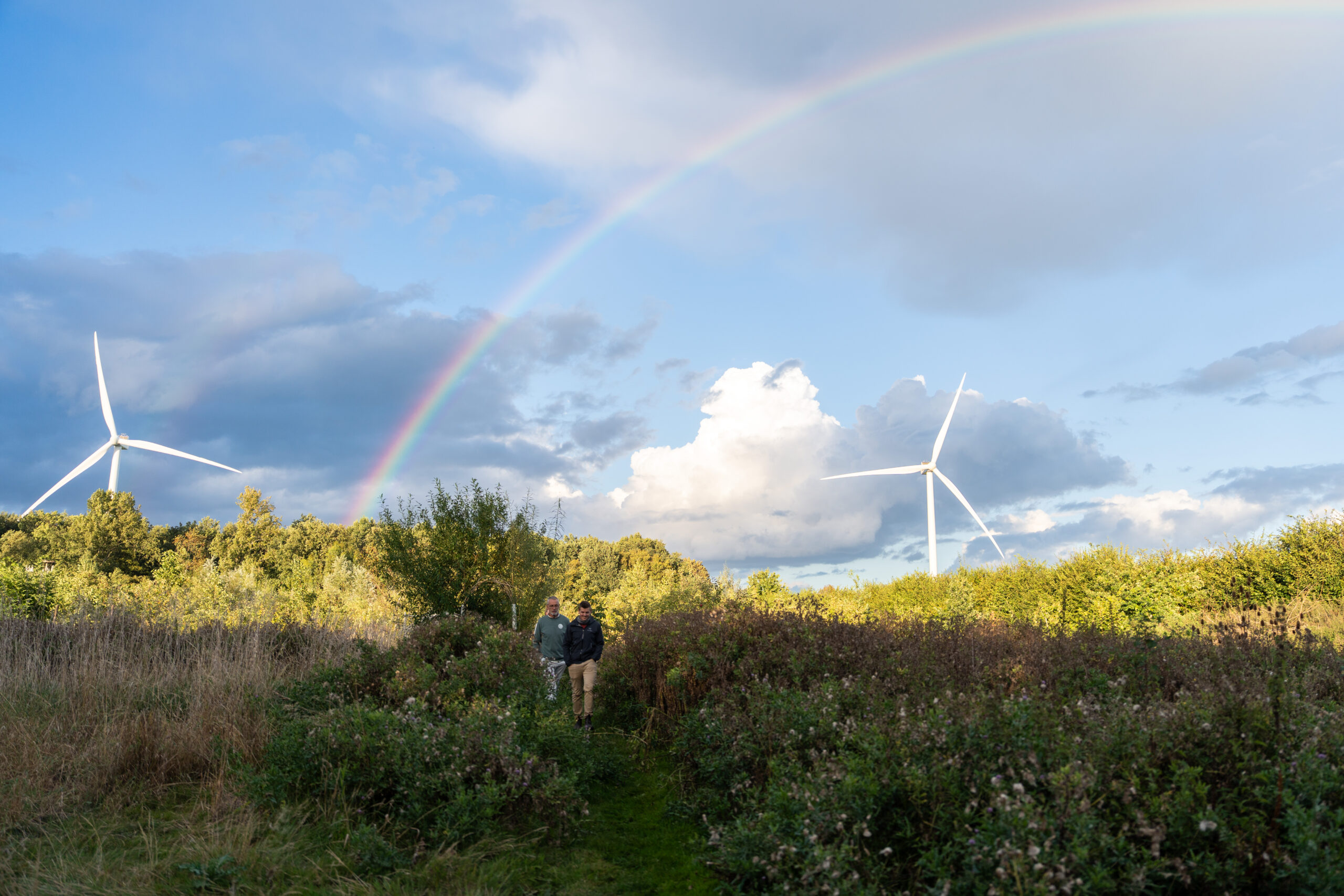
During this period, the Genomic Gastronomy Garden at Amstel Park (GGG) has been our testing ground for assembling edible biodiversity over many seasons and in collaboration with visiting publics. The garden is a space to cultivate a sustained relationship to place and an embodied attentiveness to taste & biodiversity.
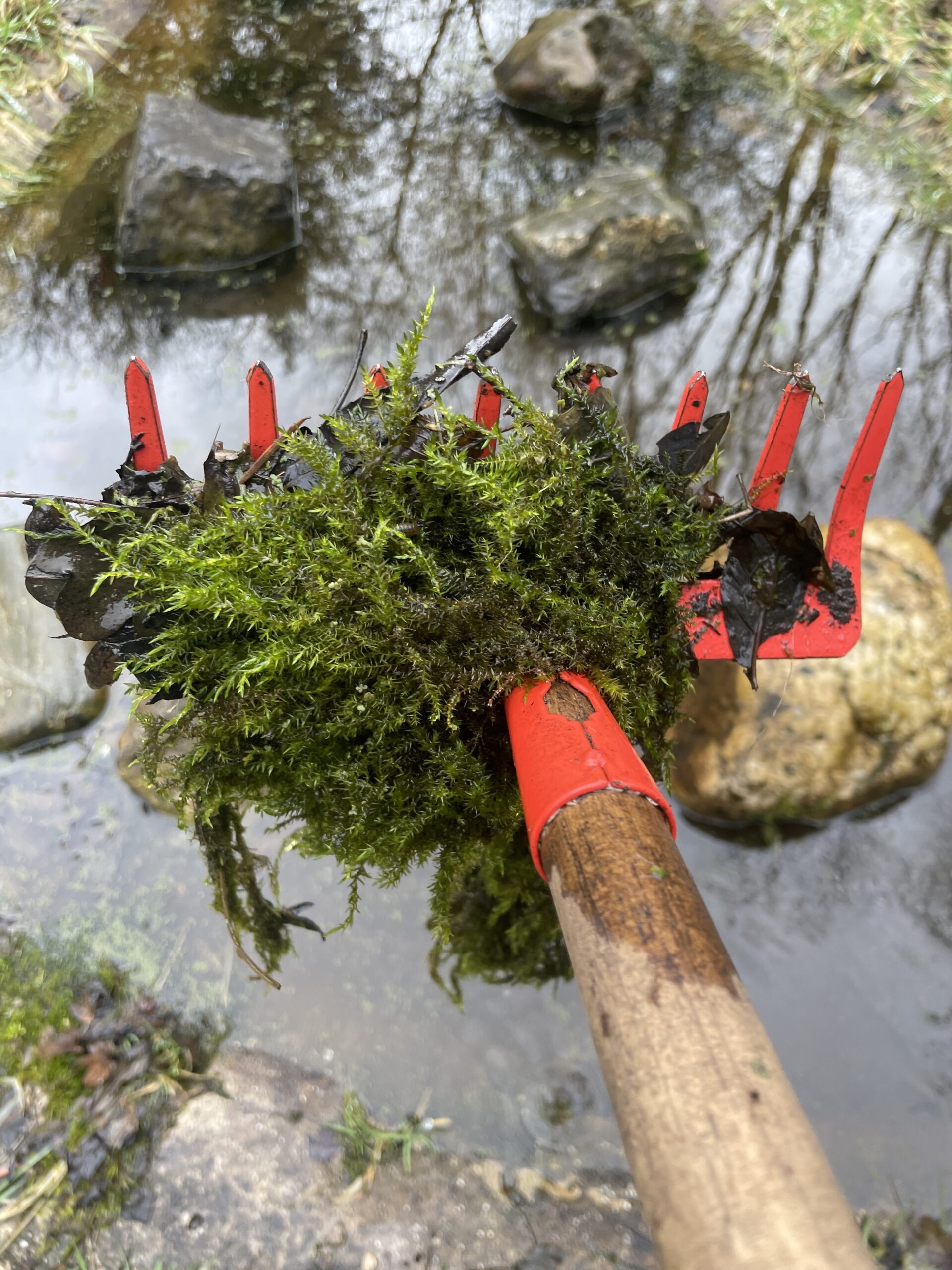
One of the great joys of spending one day each week in the garden is noticing the fluctuating configurations of birds, frogs, worms, beetles, grasses, herbs, shadows, puddles, clouds and flowers. In short, we gave ourselves—and our visitors—a chance to slow down and practice the art of noticing.
FOOD FOREST TASTE TEST(S)
We received the keys to the garden plot in the late spring of 2024 and provisionally dubbed the project “the Genomic Gastronomy Garden”. We spent the remainder of 2024 getting to know the site’s history, documenting its ecological flows and observing what changed. In the last month of 2024, we made our biggest ecological intervention by planting a selection of Dutch Food forest ingredients in a circle around the main tree in the garden.
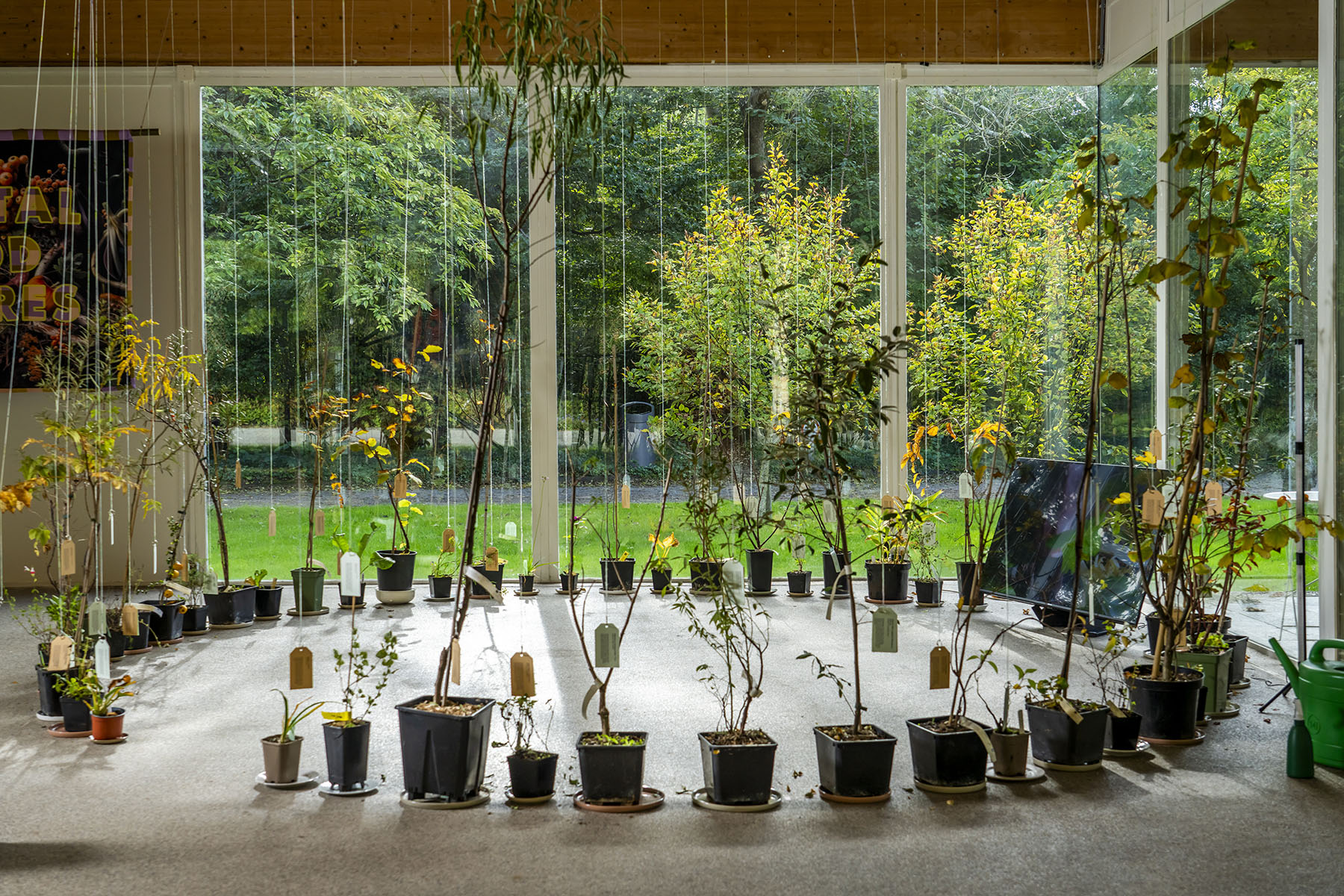
These plants were not arranged spatially with the intention to grow into a functioning food forest (we don’t have tenureship for that kind of longer-term agroecological commitment) but rather as a place to touch, taste and interact with the common species and cultivars that are starting to be (re)deployed in alternative food projects throughout the Netherlands. This was the final distillation of our Food Forest Taste Test research and a means of maintaining a relationship with the plants and ingredients which we have gotten to know in our research.
DATASCAPES OF BIODIVERSITY
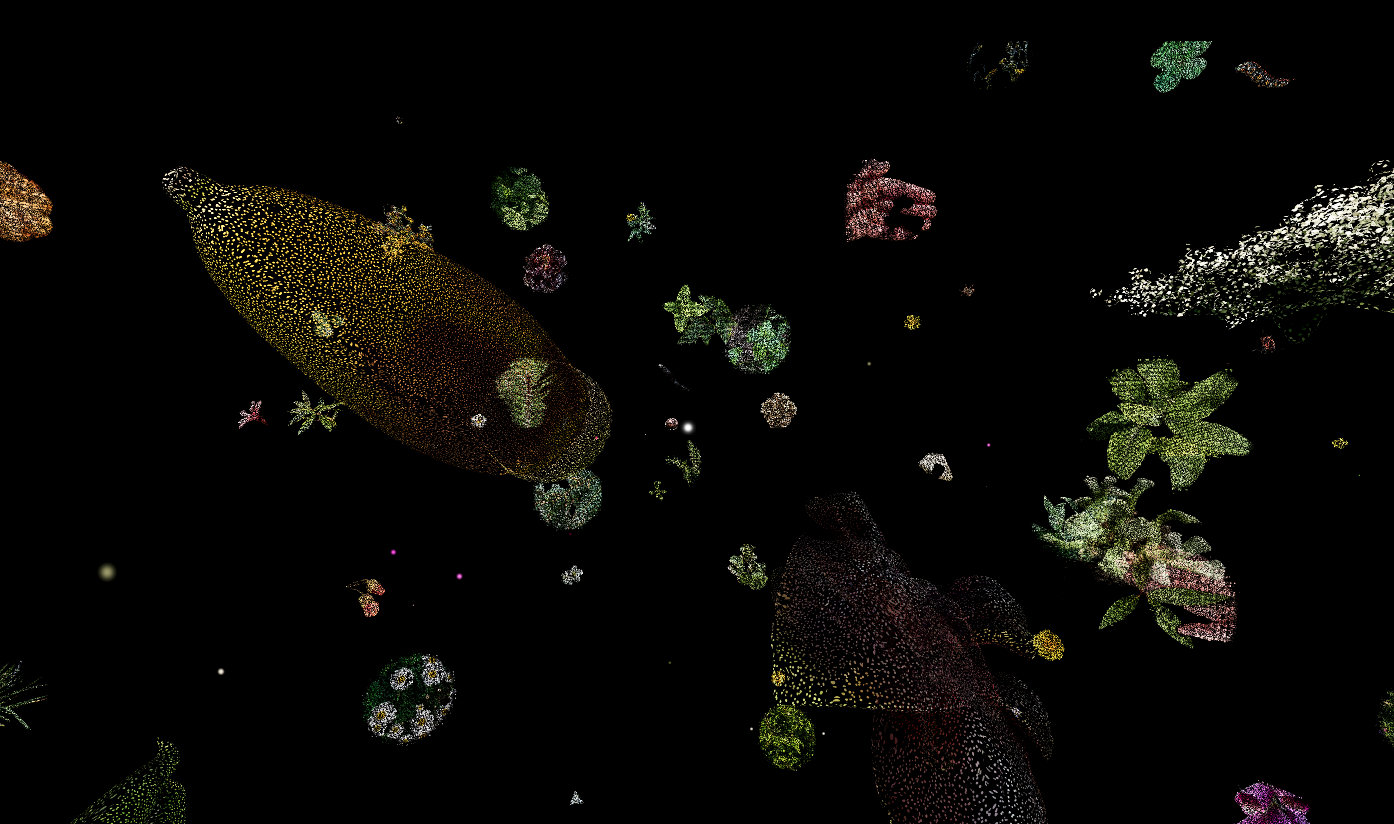
In addition, we used the garden space as one of two main testing grounds for bitz.tools “a digital tool for identifying and learning about the organisms around you.” The other location we have been testing this digital tool is in the rural hinterlands of Porto, Portugal where Venn Canteen sources the ingredients for its vegetarian menu. At GGG in Amstel Park we were able to invite in many different groups to conduct digital and analogue biodiversity assessments. What could we do with this data? In the spring of 2026 we released a draft datascape using the botanical and ecological information collected with BITZ in Portugal.
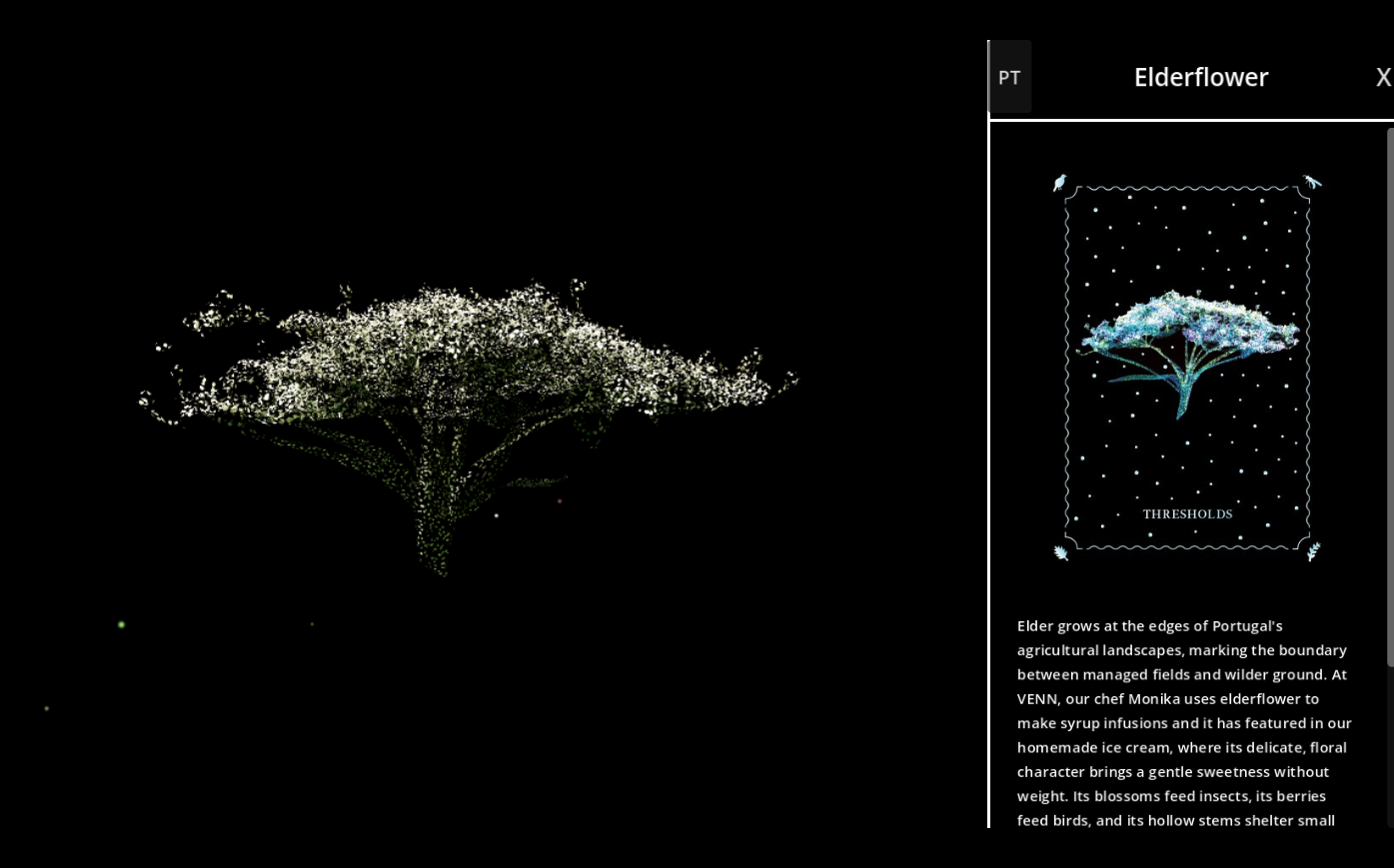
See full EAT.BITZ demo here >>>
We are now wondering how and if we might translate the BITZ data we have collected from the Genomic Gastronomy Garden into something meaningful for ourselves and visitors to the garden. One of our collaborators is exciting about porting this datascape into a VR experience, and we do like the image of a single person exploring VR in a small garden shed at the back of the garden, we are imagining other manifestations of this data that might be less optical and more tangible or embedded in the garden itself.
GGG IS NOW: “EXTREME SALAD WORLD”
Also, we have a big theme and name change underway. The Genomic Gastronomy Garden will soon be renamed: “the Extreme Salad Garden.”
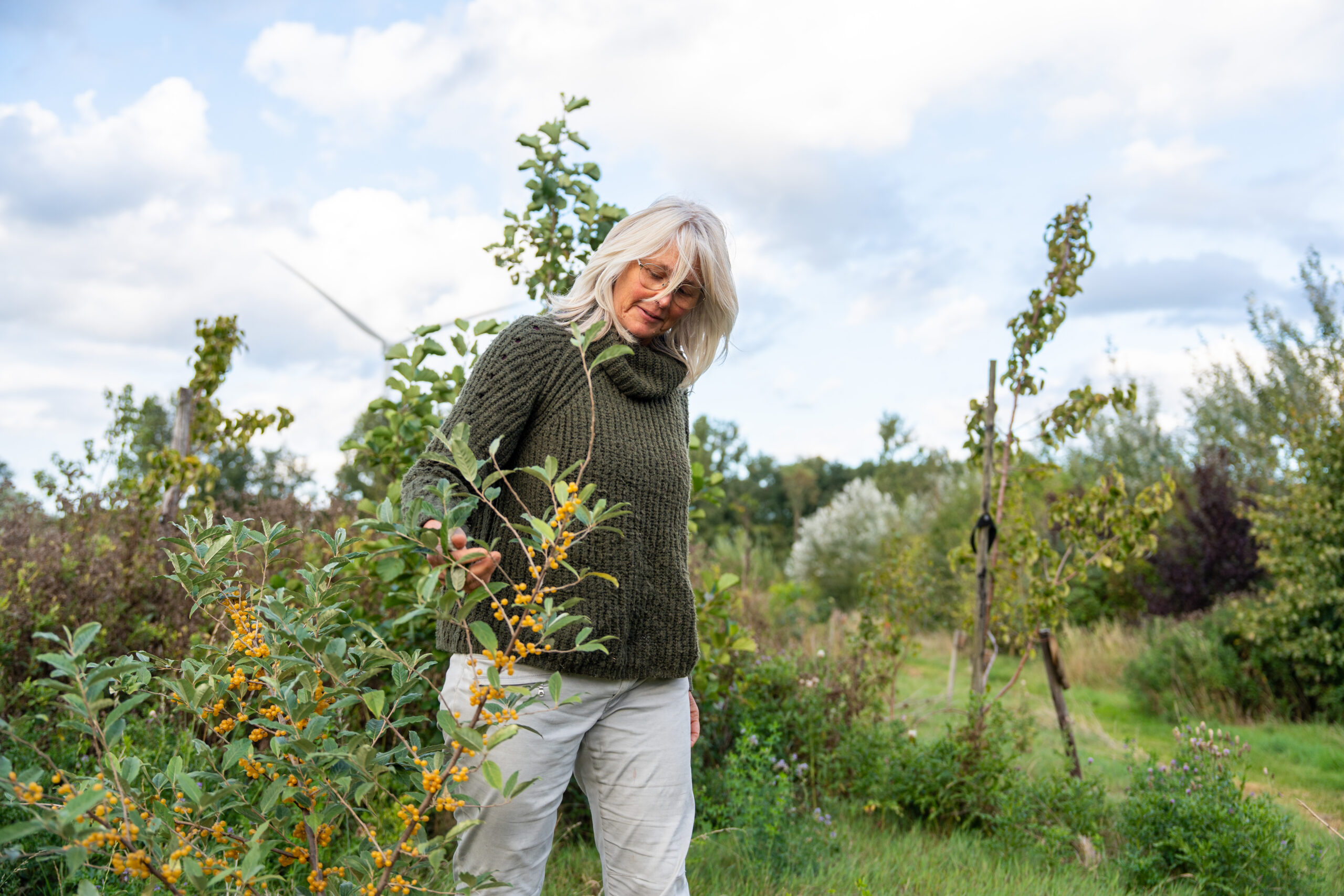
As we observed the wild volunteer species that began to populate the garden space in 2024 and 2025 we were also working on a documentary called Extreme Salad Man about Stephen Barstow’s near-arctic year-round garden in the North of Norway.
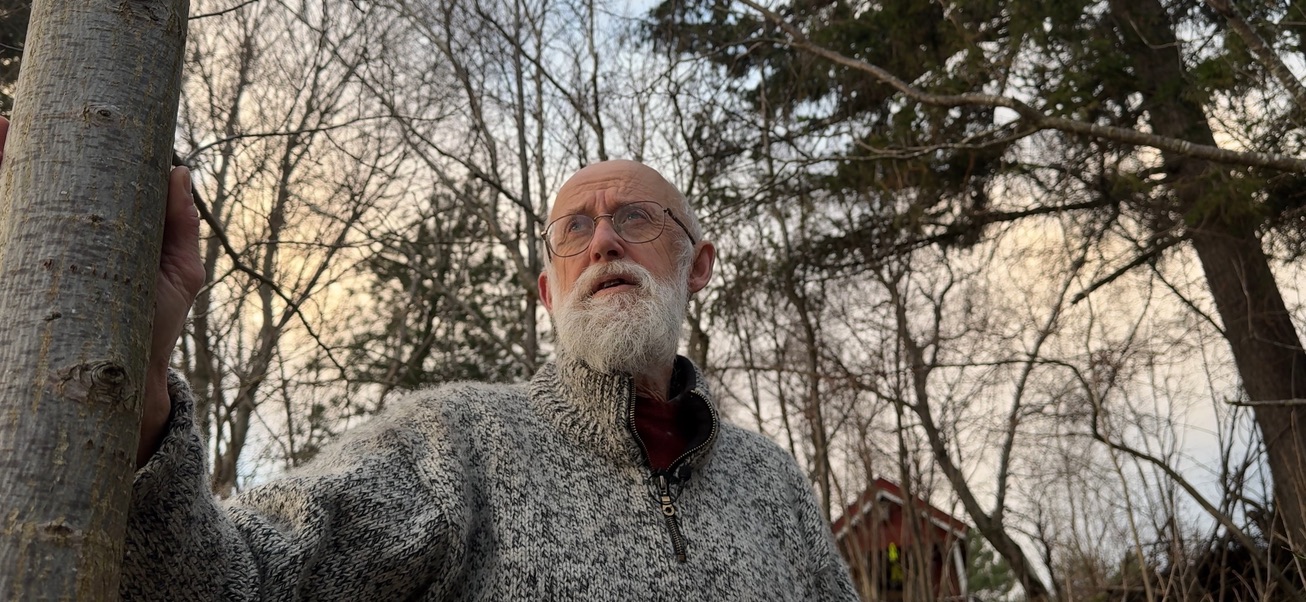
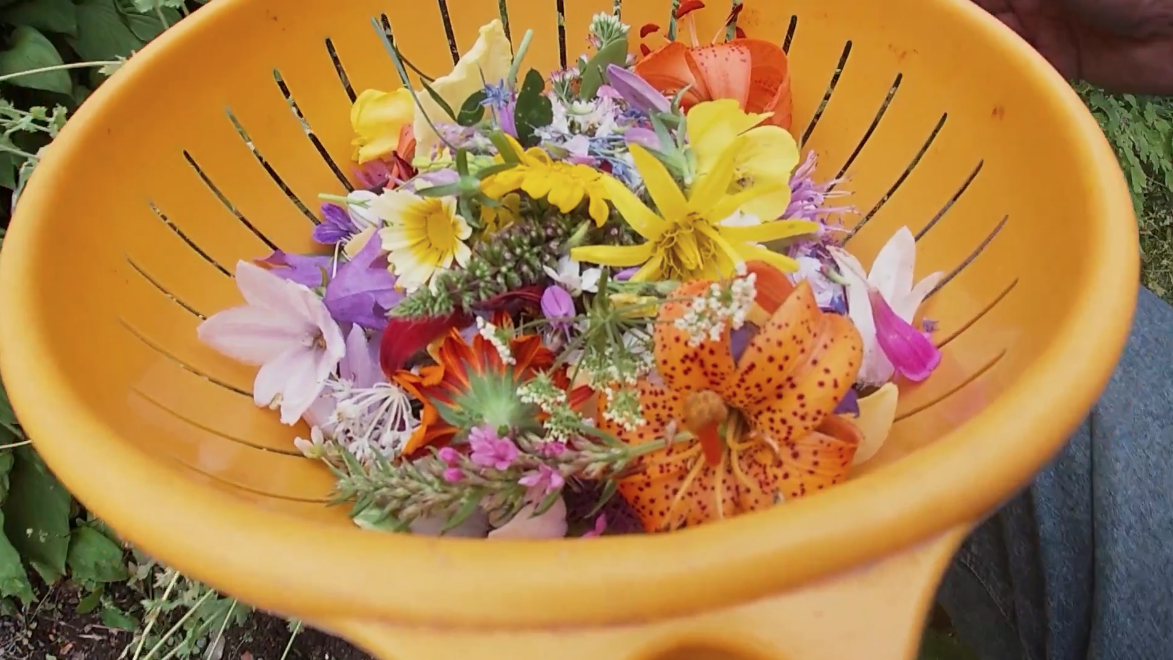
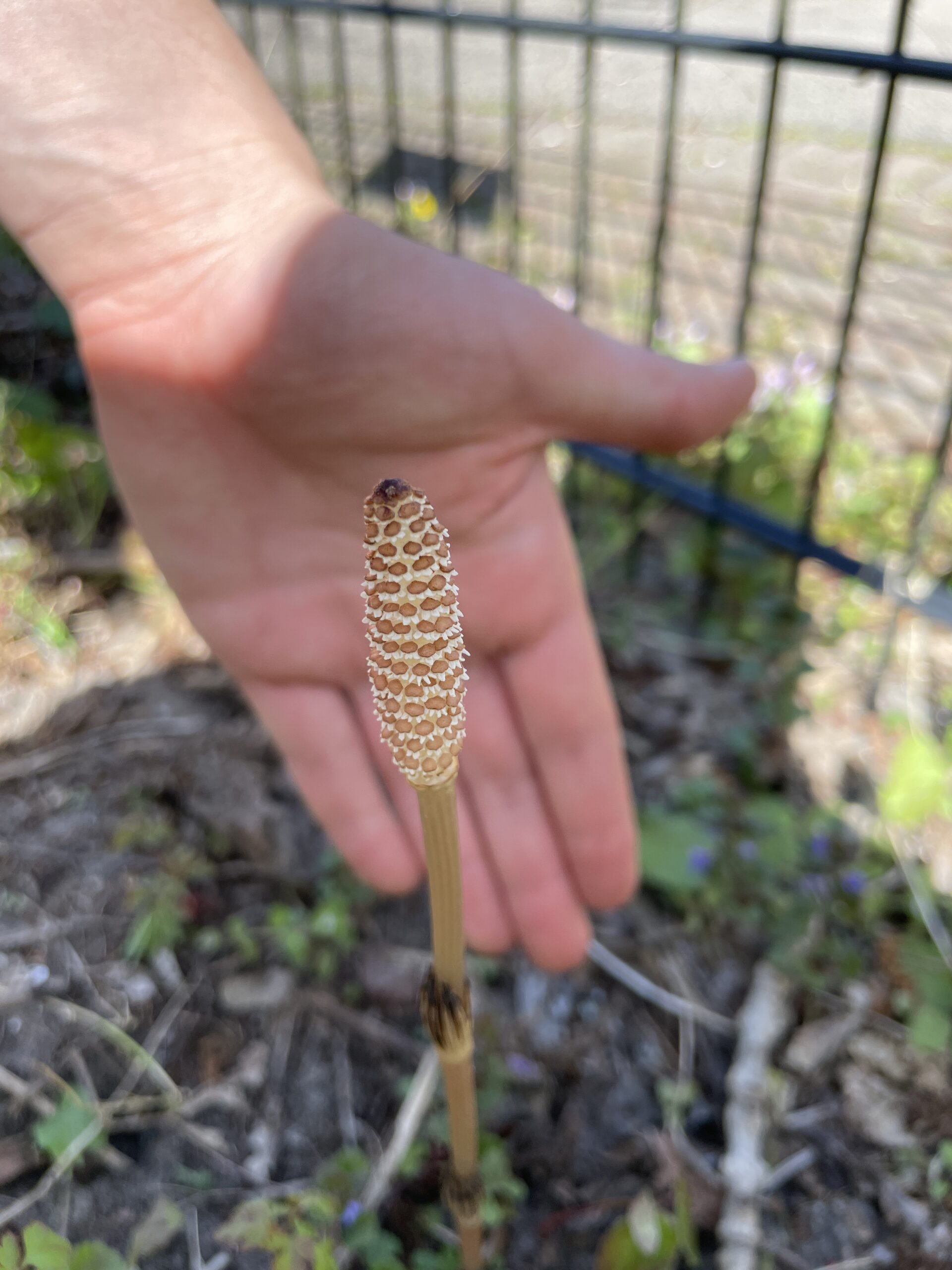
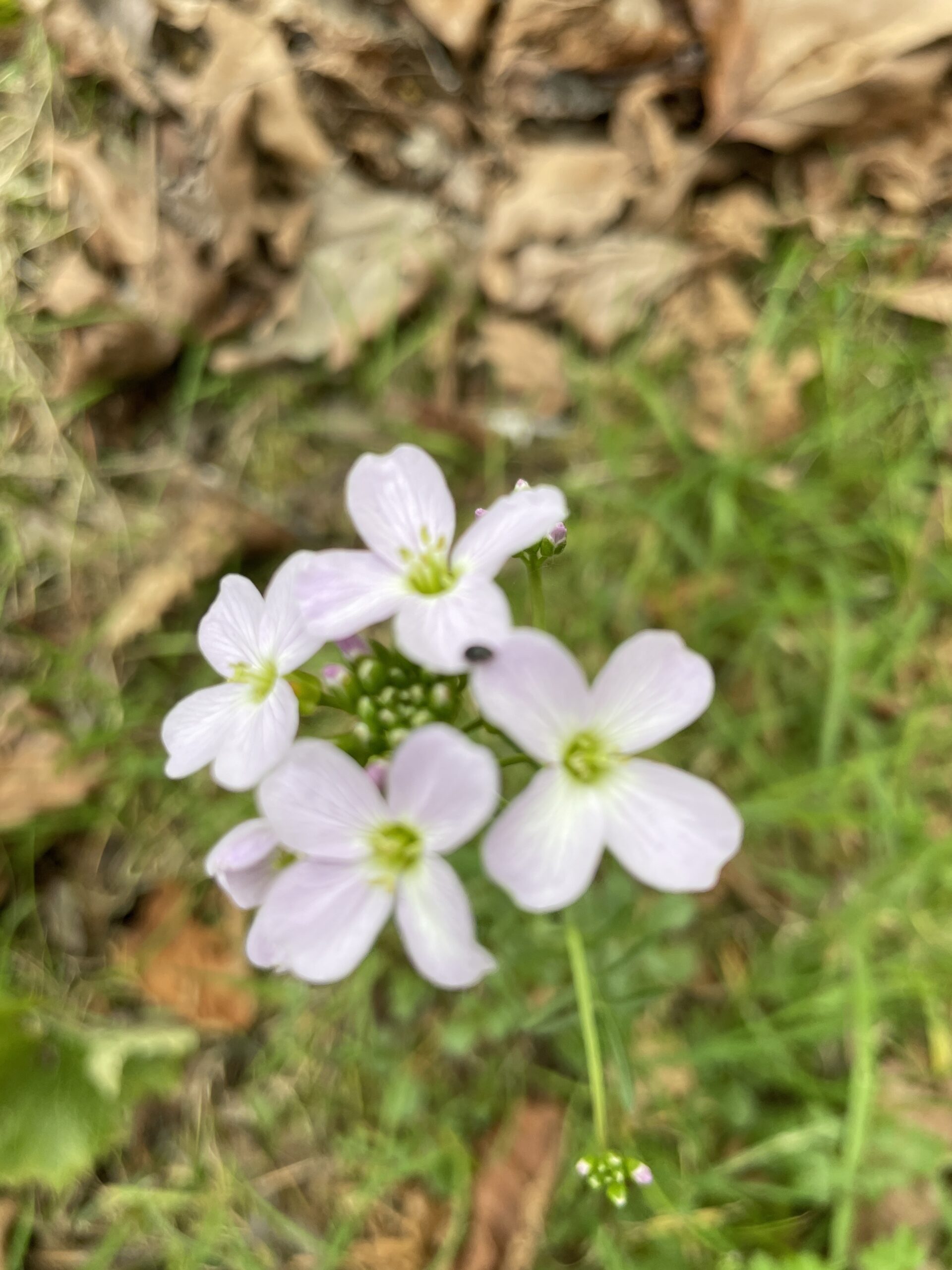
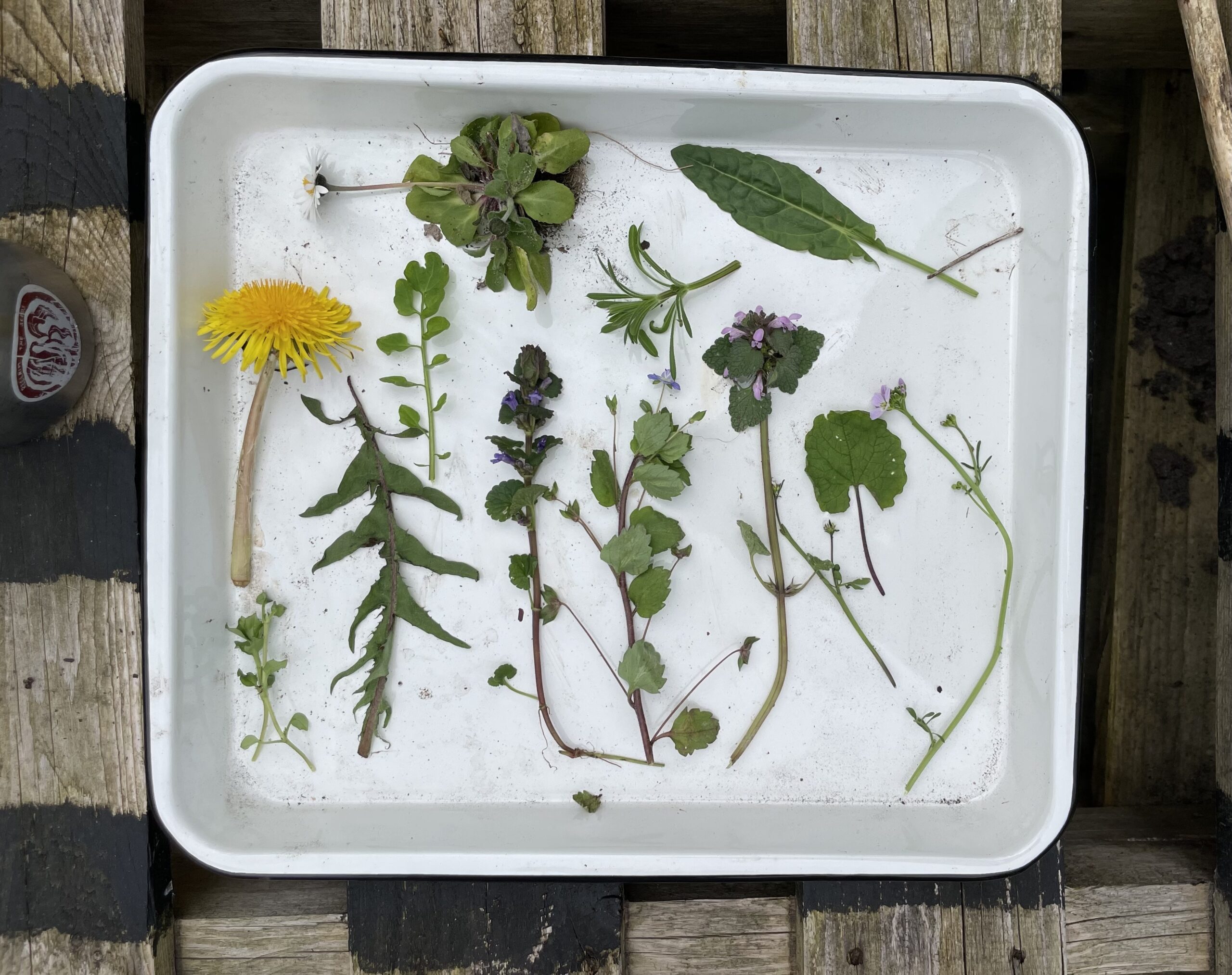
Many of the species that are in Stephen Barstow’s wild edible garden were also showing up in our garden here in Amsterdam. Here are a few of the edible wild species that we identified in early April 2026:
After getting to know the existing ecology and soils of the Genomic Gastronomy Garden space, and slowly making various interventions over 2 years, we finally had a eureka moment about how this garden could be framed so it had a more precise focus: EXTREME SALAD WORLD. This focus will allow us to continue our investigations into edible biodiversity, but specifically focus on cultivating and welcoming in a more narrow band of edible species: wild & cultivated species that can be eaten without being cooked.
We have running water, but no heat on site, and we want visitors to be able to touch & taste with ease. This slightly narrowed focus helps us make selections and decisions about what to grow and how they relate to each other. In order to make salads that strive for the biodiversity present in Stephen Barstow’s salads, we need to steward 200+ plants. That is a lot of difference to manage and know about. We have a notion that LLMs can help us manage this level of complexity. So far this year, we have been relying on a model that is provided with the context of EXTREME SALAD WORLD to help us identify, cluster and care for many more cultivars of plants than we are able to in previous years.
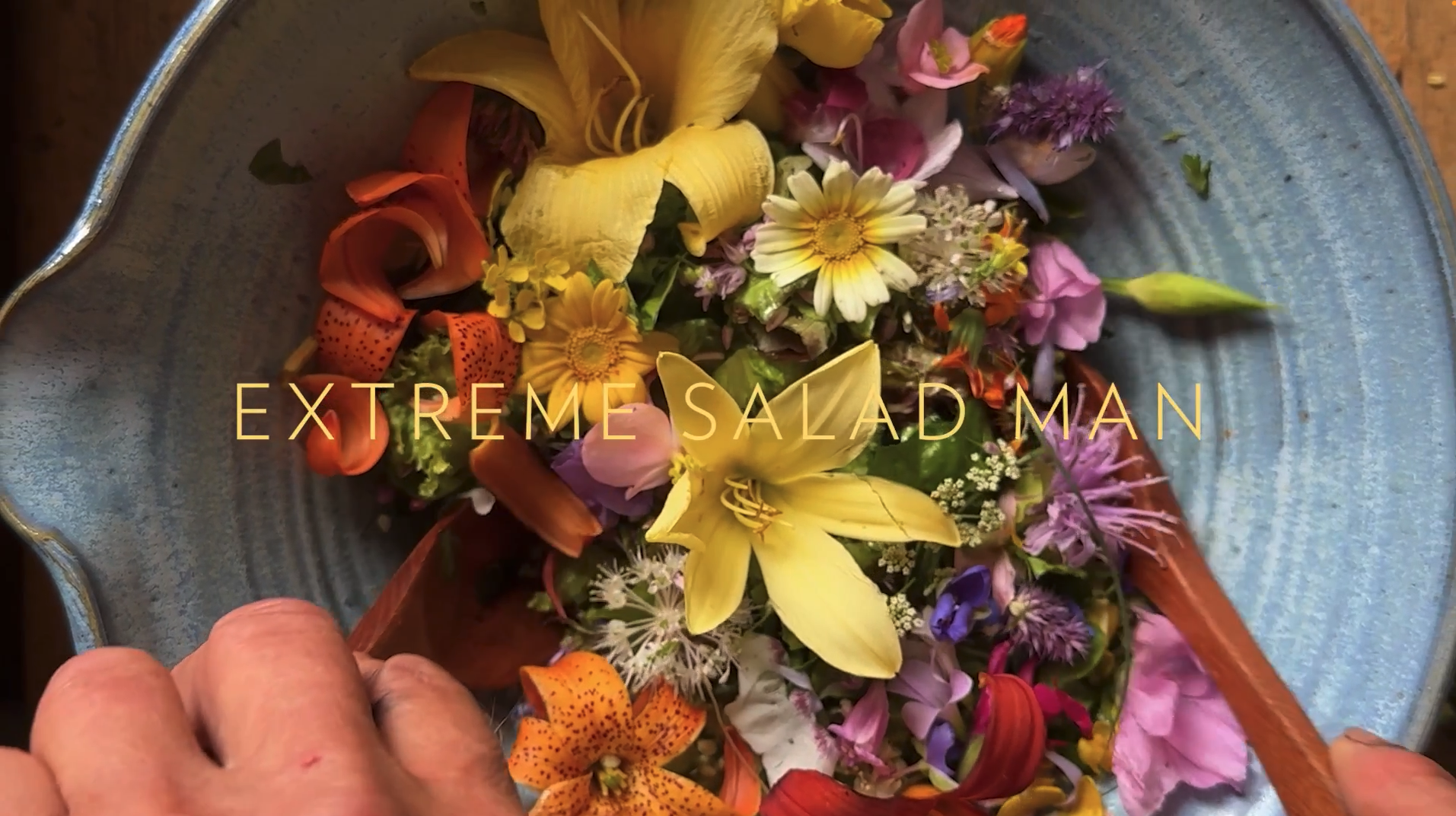
See EXTREME SALAD MAN trailer here >>>
AI DOES MY PAPERWORK SO I CAN FOCUS ON FARMING
This insight was inspired by a conversation with an organic / bio farmer in Porto who explained that in the EU one needs to fill out separate paperwork for each species on a farm that one wants to get bio certification for. This inadvertently penalizes agricultural biodiversity by raising the reporting burden, and is one of the reasons many bio farms tend towards monoculture, even though that seems counter to the whole undertaking of environmental health. The farmer described the way they used LLMs to simplify their record keeping, saying: “AI does my paperwork, so that I can focus on Farming”. We hope to build on this insight and see if AI can help us manage complexity in small area and help us reach towards maximizing the biodiversity of taste at EXTREME SALAD WORLD.
….
More on EXTREME SALAD WORLD here and in future blog updates.